
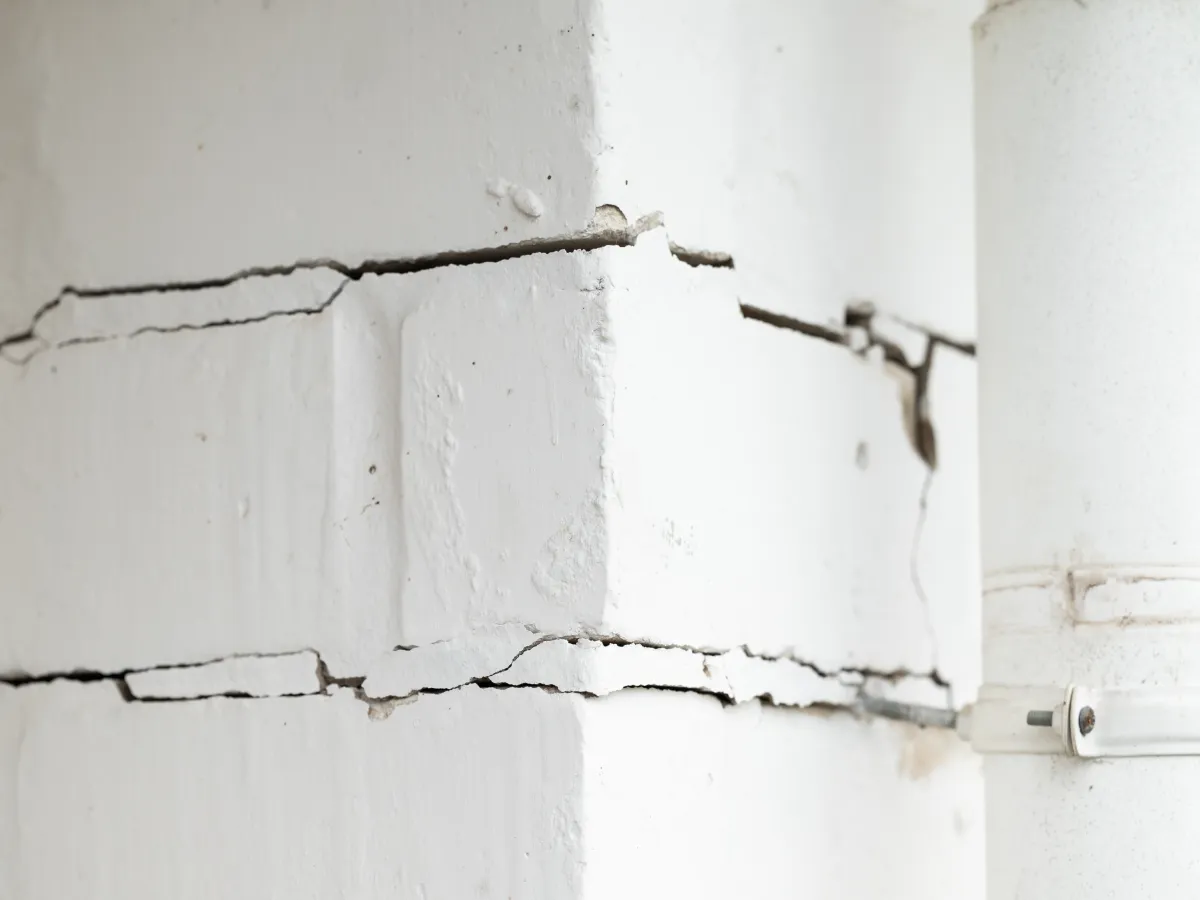
Your home’s foundation is one of its most important structural components. It supports the entire weight of the building and keeps everything stable and level. When problems develop, they often start small, but if ignored, they can lead to serious and costly structural damage.
Understanding the signs of foundation problems early can help homeowners take action before issues worsen. This guide explains the most common warning signs, what causes them, and how to recognize them before they become major repairs.
Why Foundation Health Matters
A strong foundation keeps your home safe, level, and structurally sound. When it begins to shift or weaken, it affects everything above it, walls, floors, doors, and windows.
Many homeowners don’t realize there’s an issue until visible damage appears. That’s why learning the early signs of foundation problems is so important. Early detection can save thousands of dollars in repairs and prevent long-term structural damage.
Common Signs of Foundation Problems
There are several visible and subtle indicators that your foundation may be in trouble. Recognizing these signs of foundation problems early can help you act quickly.
1. Cracks in Walls and Ceilings
One of the most noticeable warning signs is cracking in interior or exterior walls. These cracks may appear:
- Around door frames
- Along ceilings
- In drywall corners
- On exterior brick or siding
While small hairline cracks can be normal over time, widening or diagonal cracks may indicate movement in the foundation.
2. Uneven or Sloping Floors
If you notice that floors feel uneven or slanted, it could be a sign of foundation shifting. This is especially common in older homes.
You might observe:
- Furniture tilting slightly
- A feeling of “bouncing” floors
- Visible slope when placing objects on flat surfaces
This is one of the more serious signs of foundation problems and should not be ignored.
3. Sticking Doors and Windows
Doors and windows that suddenly become difficult to open or close are often early indicators of structural movement.
When the foundation shifts, it can cause frames to become misaligned. This leads to:
- Doors that stick or won’t latch properly
- Windows that jam or won’t close fully
- Gaps forming around frames
These are classic early signs of foundation problems that many homeowners notice first.
4. Gaps Around Windows and Doors
Visible gaps between walls and frames are another common warning sign. These gaps occur when the structure shifts and pulls away from fixed points.
You may notice:
- Light coming through gaps
- Separation between trim and wall
- Uneven spacing around frames
Learning how to spot foundation issues often starts with paying attention to these subtle changes.
5. Cracks in Exterior Brick or Siding
Exterior cracks are just as important as interior ones. Stair-step cracks in brickwork are especially concerning, as they often indicate movement in the foundation.
If left unaddressed, these cracks can widen over time and compromise the structural integrity of the home.
What Causes Foundation Problems?
To better understand what causes foundation problems, it helps to look at the conditions that affect soil and structure stability.
1. Soil Movement
Soil expansion and contraction due to moisture changes is one of the most common causes. Clay soil, in particular, expands when wet and shrinks when dry, putting pressure on the foundation.
2. Poor Drainage
When water is not properly directed away from the home, it can weaken the soil beneath the foundation. Over time, this leads to shifting or sinking.
3. Tree Roots
Large trees planted too close to a home can absorb moisture from the soil, causing uneven settling.
4. Poor Construction
In some cases, foundation problems stem from improper construction techniques or insufficient site preparation.
Understanding these causes helps homeowners prevent future damage and recognize risks early.
How to Spot Foundation Issues Early
Knowing how to spot foundation issues before they become serious is key to protecting your home.
Here are some practical tips:
1. Inspect Your Home Regularly
Walk through your home every few months and look for cracks, gaps, or uneven surfaces.
2. Monitor Changes Over Time
A small crack that grows over weeks or months is a red flag.
3. Check Doors and Windows Seasonally
Pay attention to any changes in how they open and close.
4. Look Outside Your Home
Check for soil separation, pooling water, or cracks in exterior walls.
Being proactive helps you catch early signs of foundation problems before they escalate.
When to Worry About Foundation Cracks
Not all cracks mean immediate danger, but knowing when to worry about foundation cracks is essential.
You should be concerned if:
- Cracks are wider than 1/4 inch
- Cracks are growing over time
- Cracks are diagonal or stair-step shaped
- Doors and windows are noticeably misaligned
- Floors are uneven or sinking
If you notice multiple symptoms at once, it’s important to consult a professional for inspection.
The Importance of Early Detection
Catching foundation issues early can make a significant difference in repair costs and structural safety. Minor repairs are far less expensive than major foundation reconstruction.
By understanding the signs of foundation problems, homeowners can take timely action and prevent further damage.
Early detection also helps:
- Preserve property value
- Maintain structural safety
- Reduce long-term repair costs
- Prevent secondary issues like plumbing damage
Final Thoughts
Your home’s foundation is not something to overlook. Learning the signs of foundation problems and understanding the early signs of foundation problems can help you protect your investment and avoid costly repairs.
From cracks in walls and uneven floors to sticking doors and gaps around windows, these warning signs should never be ignored. Knowing how to spot foundation issues and understanding what causes foundation problems gives you the knowledge to act early.
If you ever find yourself asking when to worry about foundation cracks, remember that early attention is always better than delayed repair. Staying alert and proactive ensures your home remains safe, stable, and structurally sound for years to come.